Your Respected Building Contractor for Top-Tier House Upgrades
A reliable building professional plays an critical part in home improvements. Their expertise ensures projects are finished with accuracy and attention. By emphasizing premium supplies and skilled workmanship, they improve both aesthetics and worth. Clear dialogue and careful planning are vital for a smooth process. However, many property owners overlook key factors when choosing a builder. Recognizing what to emphasize can make a significant impact in attaining a completed project. What should residents consider first?
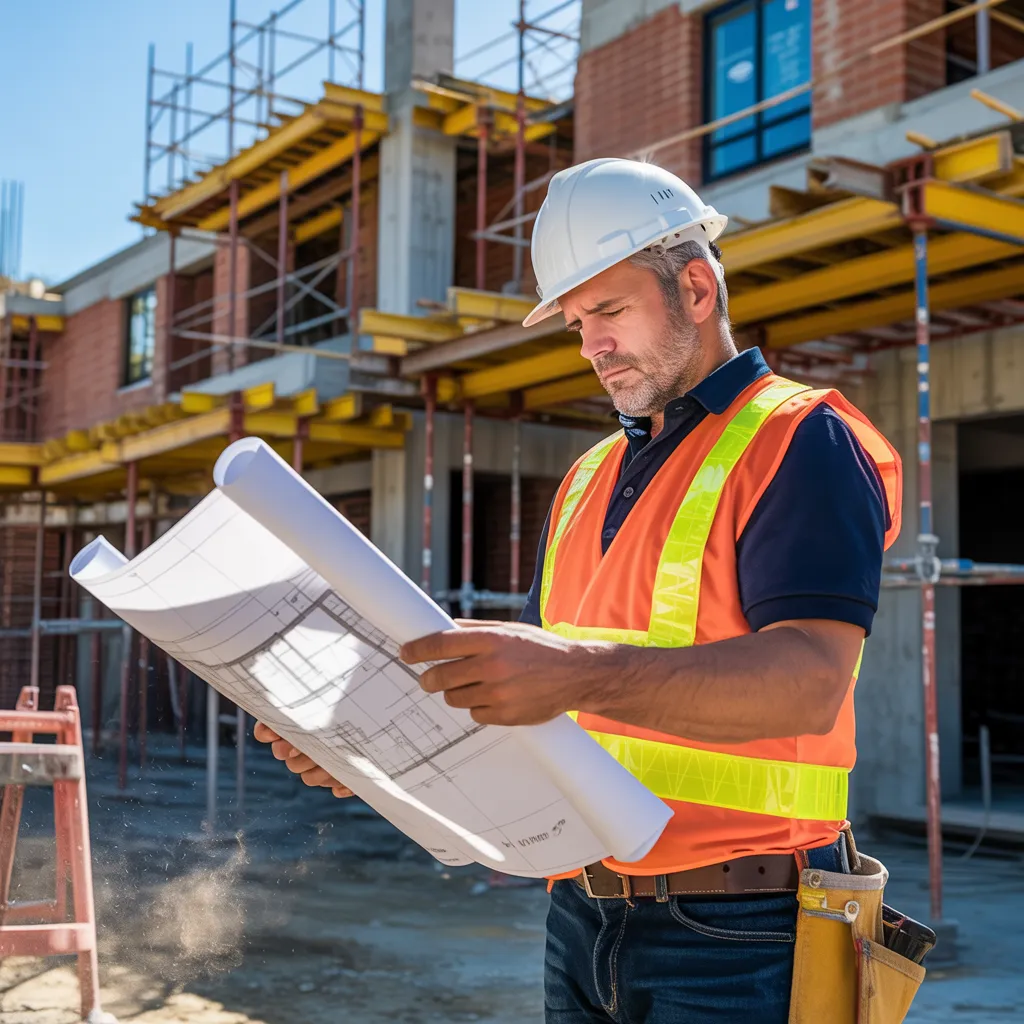
Tips for Identify a Solid General Contractor
When beginning a home improvement project, how can one guarantee they select a trustworthy general contractor? First, people should seek recommendations from loved ones, acquaintances, or web-based testimonials to find potential candidates. It is essential to confirm credentials, including licenses and insurance, making sure the contractor complies with local regulations. Next, reviewing past work through project galleries or client testimonials provides insights into the contractor's craftsmanship and reliability.
Additionally, securing several estimates can aid in gauging appropriate costs and project timelines. Conversational abilities are also necessary; a contractor should be approachable and responsive to client concerns. Furthermore, a thorough agreement laying out project scope, schedules, and compensation arrangements protects both parties. Ultimately, go with your instincts; if a contractor looks unprofessional or imprecise, it may signal future issues. By sticking to these suggestions, homeowners can greatly increase their probability of engaging a trustworthy general contractor, leading to prosperous home improvements.
Why Choosing a Local General Contractor Is Your Optimal Selection
Picking a local general contractor can substantially boost the success of home improvement projects. Local contractors possess critical understanding of the area, including building codes, regulations, and zoning requirements, ensuring conformity and efficiency. Their long-standing partnerships with suppliers and subcontractors can produce superior rates and timely access to equipment and qualified workers.
Moreover, local contractors often maintain a name to protect in the community, pushing them to deliver excellent work. This sense of accountability creates faith and assurance among residents.
Furthermore, locality supports speedier interactions and rapid responses, which can be vital during a project. learn the facts Homeowners can also request recommendations from neighbors or friends who have worked previously with the contractor, ensuring peace of mind. Overall, selecting a local general contractor not only bolsters the community but also improves the overall quality and experience of home improvement undertakings.
Your Complete Step-by-Step Handbook to Home Improvement
Beginning a home improvement project requires meticulous planning and execution. Creating a work timeline is crucial to guarantee that jobs are completed effectively, while selecting quality products can greatly influence the project's outcome. This guide will describe these key steps to help homeowners navigate their enhancement journey successfully.
Mapping Out Your Project Roadmap
Creating a detailed project timeline is vital to effective home improvements, making sure each phase is executed smoothly. To start, homeowners should define the project's scope, including specific goals and desired outcomes. After that, they should meet with their general contractor to develop a realistic timeline based on how complex the project is and the tasks involved. Dividing the work into smaller phases allows better tracking and modifications as required. It is also important to plan for potential delays, such as weather or supply chain challenges, which can impact the schedule. Regular communication with the contractor is helpful to keep the project on track. Ultimately, a clear timeline encourages communication and manages expectations, which leads to a smoother home improvement journey.
Finding Quality Components
Selecting premium materials significantly impacts the outcome of residential renovation projects. To start, homeowners should identify the specific needs of their project, taking into account factors such as longevity, aesthetics, and budget. Researching different material options is essential; this encompasses grasping the benefits and disadvantages of each. Speaking with experts can provide useful insights into trustworthy manufacturers and suppliers.
Next, property owners should request samples to evaluate the look and feel of materials firsthand. Comparing prices across various suppliers can help guarantee competitive pricing without compromising quality. Finally, confirming that materials meet local building codes is essential for safety and compliance. By thoughtfully selecting materials, homeowners can enhance both the durability and aesthetic value of their renovations, finally increasing the worth to their property.
Articulate Your Vision Like a Pro
Successful home renovations often copyright on the capacity to communicate a clear vision. Homeowners should express their concepts, preferences, and requirements, making certain that they convey their wishes efficiently to their general contractor. A clearly-outlined vision not only assists in matching the contractor's strategies with the homeowner's goals but also simplifies the decision-making process.
Visual elements like preliminary sketches and mood boards can markedly strengthen exchange. They furnish a physical reference that reveals style, color schemes, and layout preferences. Additionally, fostering open dialogue encourages teamwork, allowing the contractor to ask for clarification and deliver insights.
Establishing realistic timelines and budgets is equally important. Property owners should prepare to talk about constraints transparently to prevent misunderstandings later. In the end, sharing a plan with clarity and assurance strengthens both parties, paving the way for effective project implementation and gratifying results in home improvement endeavors.
The Criticality of Quality Materials and Fine Workmanship
When undertaking home improvements, selecting durable materials significantly affects both the lifespan and usefulness of the undertaking. Equally vital is skilled craftsmanship, which guarantees these materials are implemented appropriately. United, premium materials and professional craftsmanship provide results that last indefinitely.
Durable Material Selection
A deliberate variety of durable materials can substantially shape the longevity and aesthetics of home improvements. Superior materials not only elevate the look of a space but also guarantee that renovations survive the test of time. Homeowners should stress materials with established durability, such as hardwood, stone, and high-grade metals, which defend against wear and tear and environmental damage. Additionally, opting for materials appropriate for the local climate can stop issues like rot or corrosion. Spending in resilient options may require a higher upfront cost, but the long-term benefits—fewer repairs and replacements—make it a smart choice. Ultimately, the right materials contribute to a home's value and overall satisfaction for years to come.
How Skilled Craftsmanship Counts
Quality skilled labor plays an essential role in the success of residential renovations, complementing the picking of long-lasting materials. Skilled artisans assure that every facet of a project is executed with precision, boosting both functionality and aesthetics. Detailed focus in building work, from framing to finishing touches, contributes considerably to the longevity and capability of home features. Quality workmanship not only indicates a commitment to excellence but also safeguards against future issues, such as foundational defects or design imperfections. Additionally, seasoned builders know the nuances of various materials, confirming they are put to use effectively. Ultimately, paying for skilled skilled labor leads to a more satisfying and enduring result, elevating the overall value of the home and the resident's enjoyment.
Usual Refurbishment Problems and How to Circumvent Them
A large number of homeowners encounter challenges in renovations that can lead to pricey interruptions and unhappiness. An common mistake centers on miscalculating the financial requirements. Absent a comprehensive financial plan, unexpected outlays can develop fast, putting at risk the project. Additionally, omitting to obtain compulsory permits could result in penalties and construction stoppages, complicating the renovation sequence.
Making hasty decisions represents another common mistake. Hasty choices about design and layout can result in disappointment in the future. Property owners often fail to recognize the significance of hiring qualified professionals, which can compromise the work quality and safety standards.
Finally, not communicating properly with contractors can cause misunderstandings and unfulfilled needs. To avoid these pitfalls, homeowners should prioritize comprehensive preparation, obtain the required documentation, choose experienced professionals, and keep open lines of communication throughout the remodeling project. By addressing these frequent errors, homeowners can guarantee a smoother and more satisfying renovation experience.
How to Pick the Appropriate Selections for Your Remodel?
How can property owners guarantee they choose right materials for their remodeling work? To start, they should assess the specific needs of the space, considering factors such as performance, aesthetics, and longevity. Investigating different options is vital; homeowners should analyze options based on their appropriateness for the intended use and local climate conditions.
Collaborating with a trusted general contractor can impart expert perspective into material choices, assuring decisions stick with both cost limits and design aspirations. In the same way, homeowners should champion sustainability by assessing eco-friendly materials that mitigate environmental impact.
Ultimately, reviewing samples can assist in making informed decisions, allowing homeowners to envision how products will look and feel in their space. By pursuing these approaches, property owners can confidently choose products that enhance their renovation while safeguarding quality and longevity.
Frequently Posed Questions
How Can I verify a Contractor's Licenses and Insurance?
To confirm a contractor's credentials and coverage, one can inspect state licensing boards and insurance providers. Furthermore, asking for copies of licenses and insurance certificates directly from the contractor confirms authenticity and compliance with regulations.
What Represents the Standard Timeline for Domestic Enhancement Projects?
The typical timeline for home improvement projects differs, often ranging from a few weeks to several months, depending on the complexity of the project, size, and necessary permits. Dialogue with the contractor can help determine a more accurate timeline.
Can I stay in My Home During Remodeling?
Yes, a person can occupy a home during renovations, though it often copyrights on the project's scale. Partial renovations may allow continued occupancy, while substantial work might demand temporary moving for safety and comfort.
Which Ways to Pay Are Commonly Accepted by Contractors?
Contractors typically accept a variety of payment options, such as cash, checks, credit cards, and digital payment platforms. Some may also offer financing solutions, allowing clients flexibility in handling renovation costs and payment schedules.
What's the Right Approach to Resolve Issues With My Construction Expert?
To handle disagreements with a contractor, one should talk transparently, keep records of all communications, and work toward resolution through bargaining. If still unresolved, mediation or formal action may be vital to defend one's position properly.